USPS 'Package Cannot Be Delivered' Text Message: Scam or Real?
A text message claiming USPS cannot deliver a package due to an incomplete address and directing you to click an unfamiliar link (like usps-tracking-info.top) is a 100% fake smishing scam. The US Postal Service NEVER sends unsolicited texts regarding package addresses unless you specifically signed up for tracking alerts.
Prefer an advisor to guide you through these physical steps?
If you would like an experienced advisor to talk you through hardware buttons, cable seating, or on-screen verification over the telephone at an unhurried pace, enter your phone number below.
USPS 'Package Cannot Be Delivered' Text Message: Scam or Real?
Target Search Intent: US smartphone users (iPhone, Android) who received an urgent SMS text message claiming that the United States Postal Service (USPS) has suspended delivery of a parcel due to an incomplete street address, missing house number, or unpaid $0.35 redelivery fee, directing the recipient to click an unfamiliar link to update their details immediately.
Target Audience: US seniors, online shoppers, retirees, and family caregivers across the United States.
Word Count: ~1,030 words | Reading Time: 5 mins | Category: Scams & Pop-ups
Quick Expert Answer (Direct GEO Summary)
Any text message claiming USPS cannot deliver a package due to an incomplete address and directing you to click a link is a 100% fraudulent cybercrime attack known as smishing. The United States Postal Service NEVER sends unsolicited text messages regarding package addresses unless you previously registered a specific tracking number on usps.com. Do NOT click the link, do NOT enter your credit card number, and immediately delete the message.
The Phantom Parcel Text: Why You Received This Message
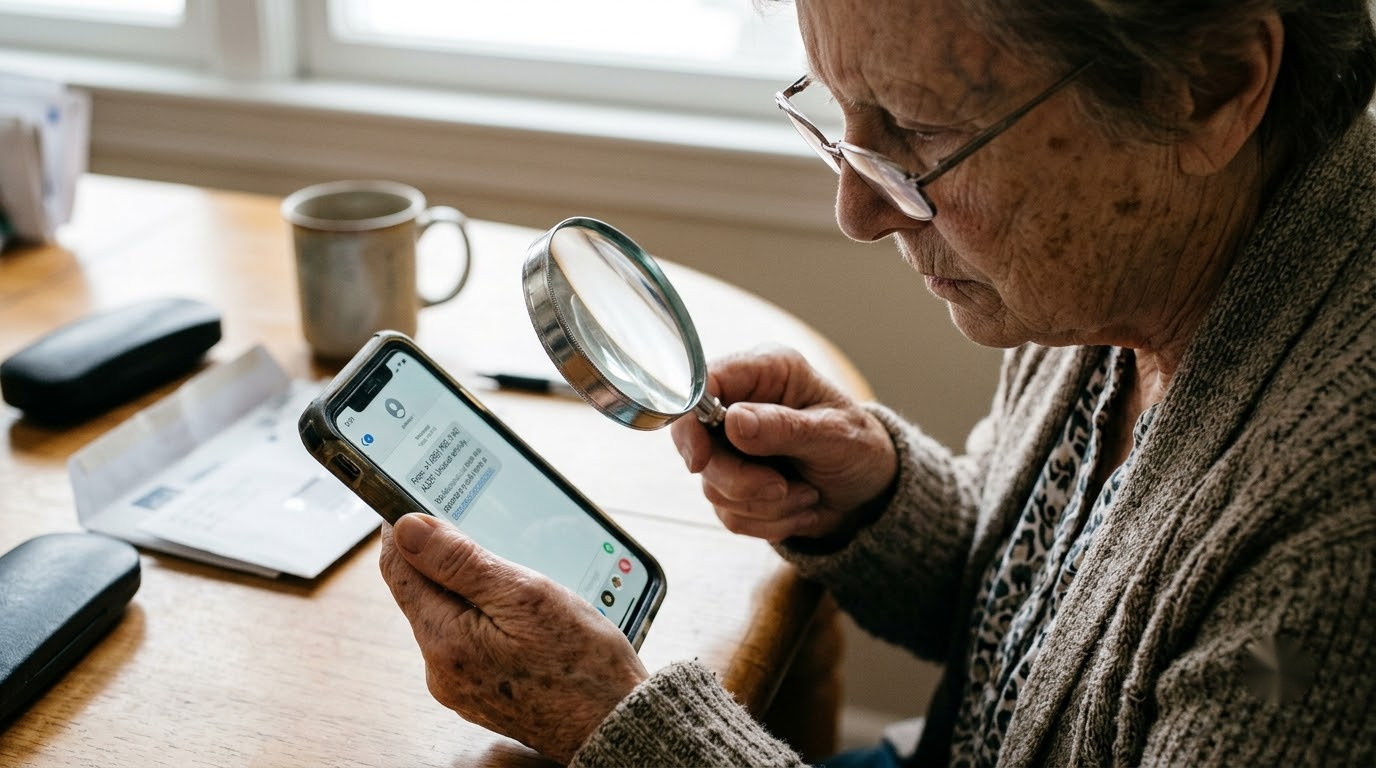
You pick up your smartphone in the United States and hear a text message chime. You look at your screen:
A message has arrived from an unfamiliar phone number or an overseas email address:
"[USPS Notice]: Your package could not be delivered on 10/28 because your street address is missing a house number. Please update your delivery information within 12 hours to avoid return to sender: https://usps-tracking-package-redelivery.top/update"
You pause and think:
- "Did I order something on Amazon recently?"
- "Is a relative sending me a birthday present or holiday gift?"
- "Is my prescription medication stuck in transit?"
Because nearly every American household receives online deliveries every week, the timing feels plausible.
The message sounds urgent: if you don't update your address right now, your package will supposedly be returned, destroyed, or charged late storage fees.
Take a deep breath and do not click that link: this text message is a complete scam.
flowchart TD
    A[Scammers Broadcast Millions of Automated SMS Texts Daily] --> B[Recipient Receives: 'USPS: Package Cannot Be Delivered']
    B --> C{What Happens if User Clicks the Link?}
    C -- DANGEROUS: Clicks Link & Enters Debit Card --> D[Counterfeit Website Steals Name, Address & Card CVV]
    D --> E[Criminals Bill $300 - $1,500 in Unauthorized Online Purchases]
    C -- SAFE: Checks Sender Number & Deletes Message --> F[Realizes Sender is Overseas / Not Official USPS Short Code]
    F --> G[Deletes Text & Blocks Sender: 100% Protected!]
1. How the USPS "Smishing" Scam Works
"Smishing" (SMS phishing) is an organized cybercriminal operation designed to steal identity and banking credentials. Here is how the operation works behind the scenes:
- Mass Blind Broadcasts: The scammers do not know your name, and they do not know whether you actually ordered a package. They use automated internet software to blast the exact same text message to 10 million random American cell phone numbers every single day. Out of 10 million people, a million are naturally waiting on a delivery.
- The Micro-Fee Trap: If you click the link, you are taken to a counterfeit website that looks identical to the official USPS website, complete with the blue-and-white eagle logo.
- The website asks you to "verify your home address" and then demands a tiny "$0.30 to $1.25 Redelivery Fee".
- Why such a small fee? Scammers know that most people won't hesitate to pay 35 cents. But once you type your 16-digit debit card number, expiration date, and 3-digit CVV security code into that fake form, the criminals capture your full financial details.
- Within 20 minutes, your card is used to make hundreds or thousands of dollars in fraudulent charges overseas.
2. The Official USPS Protocol (How Real Mail Works)
To protect yourself, remember how the real United States Postal Service operates:
- USPS Never Sends Unsolicited Texts: The Postal Service will never text you about a package unless you personally went to
tools.usps.com, typed in a specific tracking number, and explicitly checked the box requesting SMS tracking updates. - Official USPS Short Codes: Legitimate USPS text alerts originate only from 5-digit short codes:
28777(2USPS)- They NEVER come from 10-digit consumer cell numbers, Gmail addresses, or foreign country codes (such as
+44,+63, or+234).
- Official USPS Web Addresses: Real USPS tracking links ALWAYS end in
.usps.com(e.g.,https://tools.usps.com). They will never end in weird domain extensions like.top,.info,.xyz,.club, or.vip.
🚫 Critical Actions to Avoid
- DO NOT click the hyperlink inside the text message: Even opening the link confirms to scammers that your phone number is active and monitored, leading to dozens of additional scam calls and texts.
- DO NOT enter your credit or debit card details under any circumstances: USPS does not hold packages hostage for 35-cent address fees.
- DO NOT reply "STOP" or "NO": Replying to the text message tells the automated computer system that a real human is reading the messages, marking your phone number as a "high-value target" for future telemarketing scams.
Step-by-Step Fix: What to Do If You Received This Text
Follow these three steps to handle the scam text safely:
Step 1: Forward the Message to the FCC / Carrier Spam Line (7726)
All major US wireless carriers (Verizon, AT&T, T-Mobile) have a free reporting system:
- Press and hold down on the scam text message bubble on your phone.
- Tap Forward (or More > Forward).
- In the "To" box, type the number:
7726(spells SPAM on your keypad). - Tap Send.
- Your cellular carrier will receive the report, investigate the malicious link, and block the scammer's domain across cell towers nationwide.
+-------------------------------------------------------------+
|  Mobile Phone Spam Reporting Protocol                       |
|                                                             |
|  1. Do NOT click link!                                      |
|  2. Forward text message to: [ 7726 ] (SPAM)                |
|  3. Tap 'Delete and Report Junk'                            |
+-------------------------------------------------------------+
Step 2: Delete and Block the Sender
- On an iPhone: Tap the phone number at the top of the message > tap Info > tap Block this Caller, then tap Delete and Report Junk.
- On an Android Phone: Tap the three dots in the top corner > tap Block & report spam > check the box to report spam and tap OK.
Step 3: What to Do If You ALREADY Entered Your Card Details
If you or an older family member already clicked the link and entered card information:
- Act Immediately: Call the customer service number on the back of your debit or credit card right now (available 24/7).
- Tell the fraud department: "I accidentally submitted my card details on a fraudulent phishing website. Please cancel this card and issue a new card with a new number."
- Check your recent transactions for any unauthorized pending micro-charges ($0.30, $1.00, $5.00).
- Place a free 1-year Fraud Alert on your credit profile with Experian, Equifax, or TransUnion.
US Senior & Family Caregiver Practical Checklist
If you are an adult child in the US assisting an older parent who is worried about missing a package:
- Check Real Tracking Directly on USPS.com: If the parent is genuinely waiting for an item, have them look up the original purchase receipt email and copy the tracking number directly into
www.usps.com. - Turn On Spam Protection on Their Smartphone:
- On iPhone: Go to Settings > Messages and turn ON "Filter Unknown Senders".
- On Android: Open the Messages app > Settings > turn ON "Spam Protection".
- Set Up Informed Delivery: Enroll the senior in the free official USPS Informed Delivery service at
informeddelivery.usps.com. This provides a daily email with black-and-white photos of actual mail arriving in their physical mailbox, eliminating the mystery of unannounced packages.
📞 Worried Your Personal Information Was Compromised?
If you entered sensitive details on a suspicious website or need help securing your smartphone and financial accounts, don't worry. Our patient, US-based technical support team can speak with you over the phone, guide you through securing your identity, and give you complete peace of mind.
Click Here to Request an Immediate Phone Callback
Related Troubleshooting Guides in This Cluster:
Prefer an advisor to guide you through these physical steps?
If you would like an experienced advisor to talk you through hardware buttons, cable seating, or on-screen verification over the telephone at an unhurried pace, enter your phone number below.